Long-Form Content That Ranks: Strategy and Execution
Master the strategy and execution of long-form content that ranks in search results, engages readers, and drives measurable business results.

Key Takeaways
- Long-form content ranks better because it covers topics comprehensively, not because of word count alone
- Structure long-form content with clear headings, a table of contents, and scannable sections
- Original research, data, and expert insights distinguish long-form content from competitors
- Internal linking from long-form content distributes authority across your site
- Update long-form content regularly to maintain its ranking advantage
- Longer content earns more backlinks because it serves as a reference resource
Google rewards comprehensive content. Study after study confirms that longer content tends to rank higher in search results. A 2025 analysis by Backlinko found that the average first-page result contained 1,447 words. Pages ranking in position one averaged over 2,000 words.
But length alone is not the answer. A 3000-word article that is padded with fluff will not outrank a focused 1500-word article that thoroughly answers the searcher question. The key is comprehensiveness combined with quality.
1. Why Long-Form Content Ranks Better
Long-form content has several advantages that contribute to higher rankings.
Comprehensive Topic Coverage
Search engines evaluate whether a page satisfies search intent. A longer page can cover more aspects of a topic, answer more related questions, and provide more complete information. This increases the likelihood that the page matches what the searcher needs.
A short post about keyword research might explain what keyword research is and mention a few tools. A long-form guide on the same topic explains what keyword research is, why it matters, how to do it step by step, which tools to use, how to analyze results, and how to prioritize keywords. The comprehensive version is more likely to satisfy any searcher intent.
More Backlinks
Long-form content earns more backlinks. A comprehensive guide becomes a reference resource that other sites link to when they mention the topic. Each section of a long-form guide covers a subtopic that other content creators might reference.
The data shows this clearly. Content over 2000 words earns significantly more backlinks than shorter content. The correlation exists because long-form content provides more value to cite.
More Social Shares
Long-form content also generates more social shares. People share content that is thorough and valuable. A shallow overview of a topic rarely inspires sharing. A deep dive that teaches something new gets shared because the sharer wants to be associated with that valuable information.
Better Engagement Metrics
Long-form content keeps readers on the page longer. When someone reads a 3000-word article, their time on page increases. Bounce rates decrease because the page satisfies their search intent.
These engagement signals influence rankings. Google interprets longer time on page and lower bounce rates as indicators that the content satisfies the searcher.
2. Structuring Long-Form Content
Structure is critical for long-form content. Readers need to navigate easily, and search engines need to understand the content hierarchy.
The Inverted Pyramid
Start with the most important information. The introduction should state the problem, explain why it matters, and preview what the reader will learn. This structure serves both readers who want a quick overview and those who want the full detail.
Clear Heading Hierarchy
Use a logical heading structure that creates a content outline. H1 is the page title. H2 headings divide the content into major sections. H3 headings break sections into subsections.
Each heading should describe what the following section covers. Avoid clever or vague headings. Readers should understand the content structure from scanning the headings alone.
Table of Contents
Include a table of contents at the top of long-form content. This helps readers navigate to the sections most relevant to them. It also signals to search engines that the content is comprehensive and well-structured.
Link each table of contents entry to its corresponding section. This creates anchor links that let readers jump directly to the section they need.
Scannable Sections
Write each section so it can be read independently. Some readers will read the entire article. Others will jump to specific sections based on their needs.
Start each section with a clear topic sentence. Use short paragraphs of two to four sentences. Include bullet points or numbered lists where appropriate. Bold key terms and important phrases.
3. Research and Depth
Original Data
Include original data whenever possible. Survey your audience, analyze your own data, or compile industry statistics. Original data is unique content that competitors cannot replicate.
A survey of 500 marketing professionals about their content marketing practices is original content that can be cited and referenced. It adds value that a roundup of other people statistics cannot match.
Expert Insights
Quote internal experts or industry figures. Expert quotes add credibility and a unique perspective. They also make the content more engaging because they provide real-world context.
Interview subject matter experts in your organization. Ask them for their perspective on the topic. Their experience and insights are unique to your organization.
Current Examples
Use recent, specific examples. Instead of saying many companies use content marketing, say a SaaS company increased their organic traffic by 200 percent using this specific strategy. Examples make abstract concepts concrete and memorable.
Update examples regularly. An example from 2023 feels dated in 2026. Current examples demonstrate that your content is maintained and relevant.
4. Writing Process for Long-Form Content
Outline First
Start with a detailed outline. List every section and subsection. Under each heading, note the key points you want to cover. The outline serves as your roadmap and ensures you do not miss important subtopics.
Review the outline against competitor content. What do they cover that you have not included? What sections can you add that provide unique value? The outline is where you identify gaps and opportunities.
Write in Chunks
Write one section at a time. Long-form content is overwhelming when approached as a single task. Breaking it into sections makes it manageable and allows you to maintain quality throughout.
Write the sections in any order. Start with the section you are most confident about. Write the introduction last, after you know exactly what the content covers.
Edit Ruthlessly
Long-form content does not mean long-winded content. Every sentence should serve a purpose. Cut examples that do not add value. Remove repetition. Tighten sentences.
After editing, check the word count. A 3000-word article should justify every one of those words. If you can make the same point in fewer words, do it.
5. Updating Long-Form Content
Long-form content is not a publish-and-forget asset. It requires regular updates to maintain its ranking advantage.
Schedule quarterly reviews for your top long-form content. Update statistics, add new examples, and incorporate new information. Check that all links still work and update any that are broken.
When you update, update the published date. This signals to readers and search engines that the content is current. Add an editor note at the top or bottom noting what was updated and when.
For more on writing effective content, see our guide on how to create SEO-friendly content that readers love. And for using AI to scale your long-form content production, see our guide on how to use AI for SEO content writing without losing the human touch.
6. Content Strategy Implementation Checklist
- Verify Search Intent: Match content structure to target query type.
- E-E-A-T Assessment: Include original insights, author credentials, and fact-checked claims.
- Structured Heading Hierarchy: Use one H1, followed by H2 and H3 subsections.
- Anchor Text Relevance: Use descriptive, target-focused anchor text for internal links.
- Mobile Parity Check: Verify that mobile viewports render all key paragraphs and embeds.
7. Common Content Strategy Mistakes
- →Relying on: raw, unedited AI content that lacks personal experience or original examples.
- →Targeting high-volume: keywords without matching the commercial search intent of users.
- →Failing to: prune or redirect thin, duplicate, or outdated articles during a content audit.
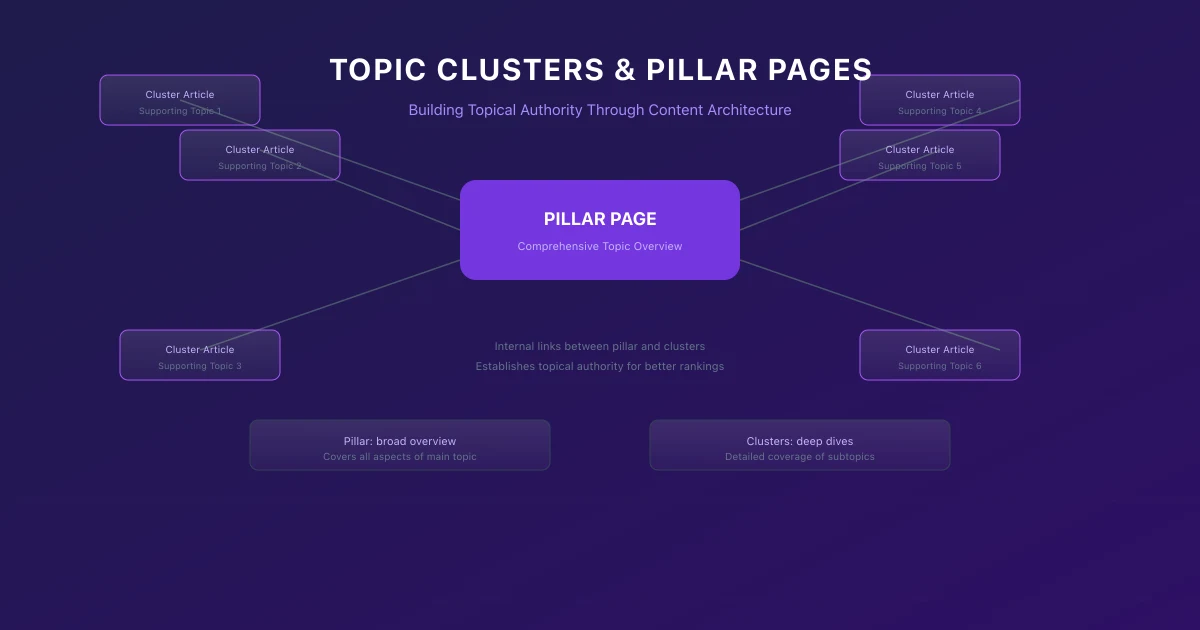
- →Neglecting to: add contextual internal links to related topic clusters.
8. Official References
9. Conclusion
Successful execution of Long-Form Content That Ranks: Strategy and Execution strategies is foundational to securing your digital marketing success in 2026. Without precise technical structure and expert-level implementation, it is impossible to protect domain authority, satisfy search bots, and understand customer paths.
Audit your setup regularly, focus on high-quality content that meets E-E-A-T expectations, and monitor performance indicators closely.
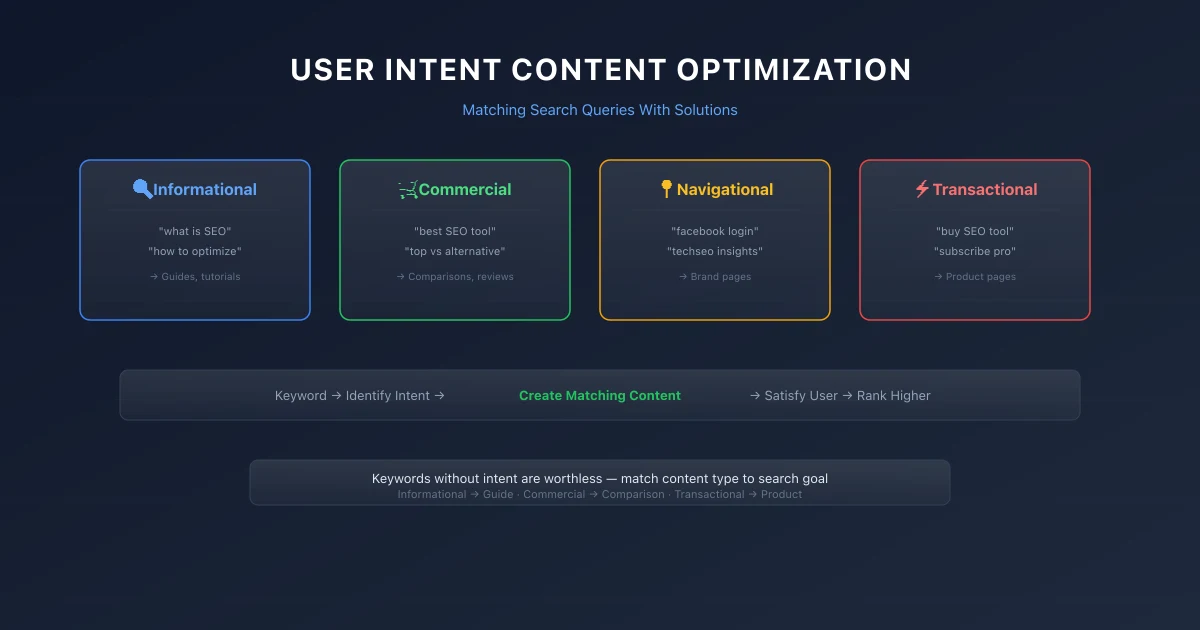
To deepen your technical expertise, read our guides on AI SEO Content Writing: Guide to Quality & Google E-E-A-T (2026), User Intent Content Optimization: Matching Search Queries With Solutions, and Topic Clusters and Pillar Pages: The SEO Architecture Your Content Needs.
Official References
Frequently Asked Questions
How long should long-form content be?
The ideal length depends on the topic. Comprehensive coverage of a broad topic may require 3000 to 5000 words. Narrower topics may be fully covered in 1500 to 2000 words. Focus on completeness rather than hitting a specific word count.
Does Google have a minimum word count for ranking?
No. Google does not use word count as a direct ranking factor. Word count correlates with rankings because longer content tends to be more comprehensive, which does satisfy search intent.
How do I keep readers engaged in long-form content?
Use clear headings, short paragraphs, and visual elements. Break up text with images, examples, and pull quotes. Include a table of contents that lets readers navigate to their area of interest.
Should I publish long-form content as a single page or as a series?
A single page is better for SEO because it consolidates authority and backlinks to one URL. Publish as a comprehensive guide and link to supporting detail pages for subtopics that need deeper coverage.
How often should I update long-form content?
Review long-form content quarterly. Update statistics, examples, and time-sensitive information immediately. Full rewrites may be needed annually for topics that change rapidly.

Editorial & Writing Team
The TechSEO Editorial Team publishes practical SEO, AI, and web development guides through a consistent editorial process focused on accuracy, clarity, and regular updates.
Subscribe to TechSEO Insights
Get the latest guides on technical SEO, Core Web Vitals, and content marketing delivered straight to your inbox.
Privacy Note: By subscribing, you agree to receive our newsletter (Lawful Basis: Consent). We retain your email address until you choose to unsubscribe. For more details, view our Privacy Policy.